Restaurant Lighting Design

Why Restaurant Lighting Design Matters: A Layered Approach to Ambiance and Revenue

The Role of Lighting in Restaurant Design

Lighting is one of the most influential and often underestimated elements in restaurant design. While finishes, furniture, and layout establish the foundation, lighting is what ultimately brings a space to life.
Without a thoughtful lighting strategy, even the most well-designed restaurant can feel flat, disconnected, or uncomfortable. Guests may not always identify the issue directly, but they will feel it in the overall experience.

A successful restaurant doesn’t just illuminate a space; it creates atmosphere, directs attention, and enhances how guests interact with the environment.

The Problem with One-Dimensional Lighting

A common mistake in restaurant lighting design is relying too heavily on overhead lighting. While functional, this approach often results in:

  • Uneven lighting with bright and dark spots
  • A lack of depth and visual interest
  • Poor definition of focal points
  • An environment that feels sterile rather than inviting

This type of lighting treats the space as a room to be lit, rather than an experience to be designed.

What Is Layered Lighting in Restaurant Design?

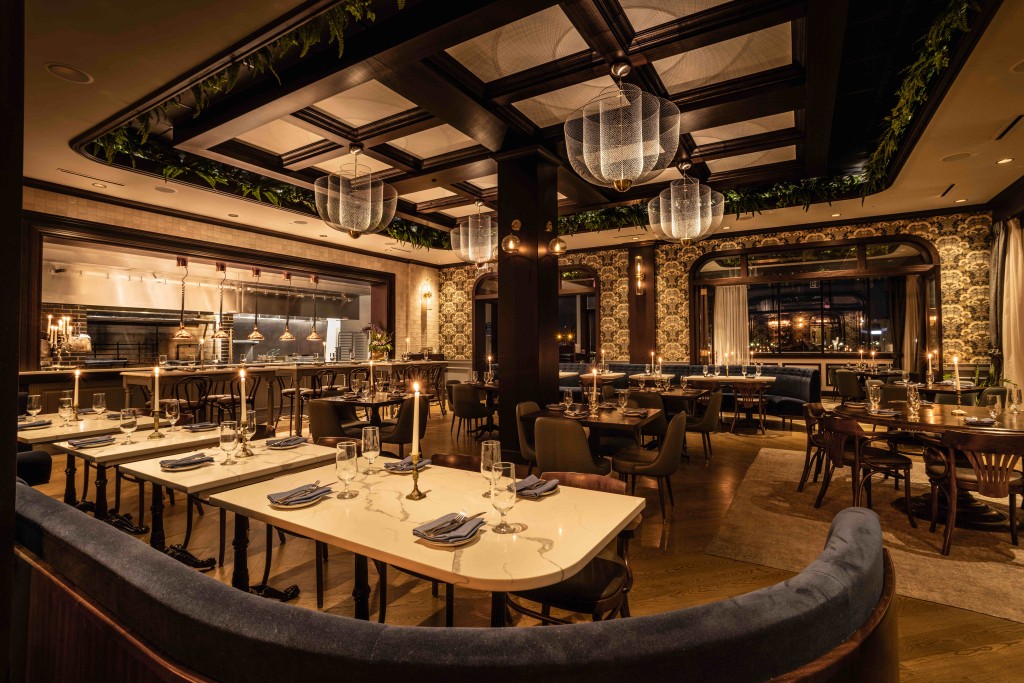
A layered lighting approach combines multiple types of lighting to create a balanced and dynamic environment. Each layer serves a specific purpose:

Ambient Lighting

Establishes the overall glow and baseline brightness of the space.

Accent Lighting

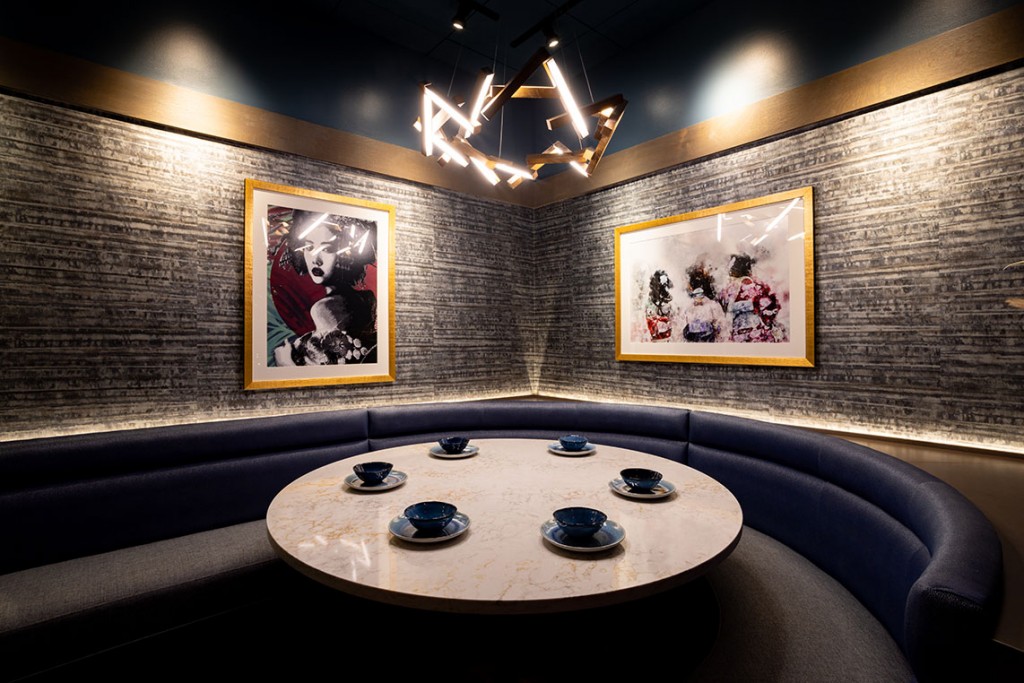
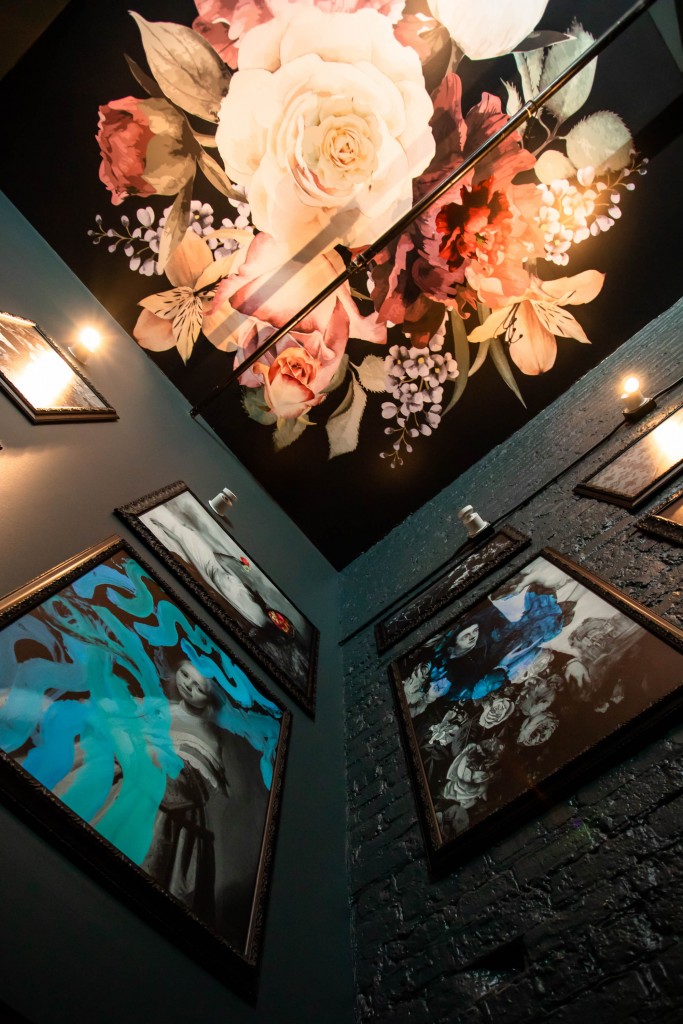
Highlights key features such as artwork, materials, or architectural elements

Decorative Lighting

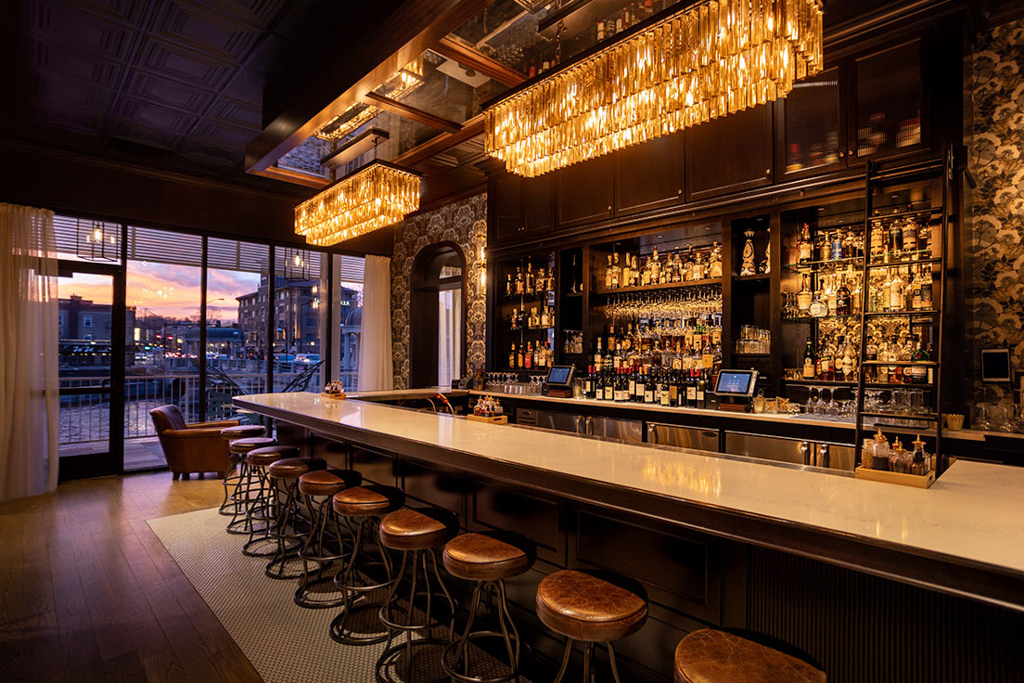
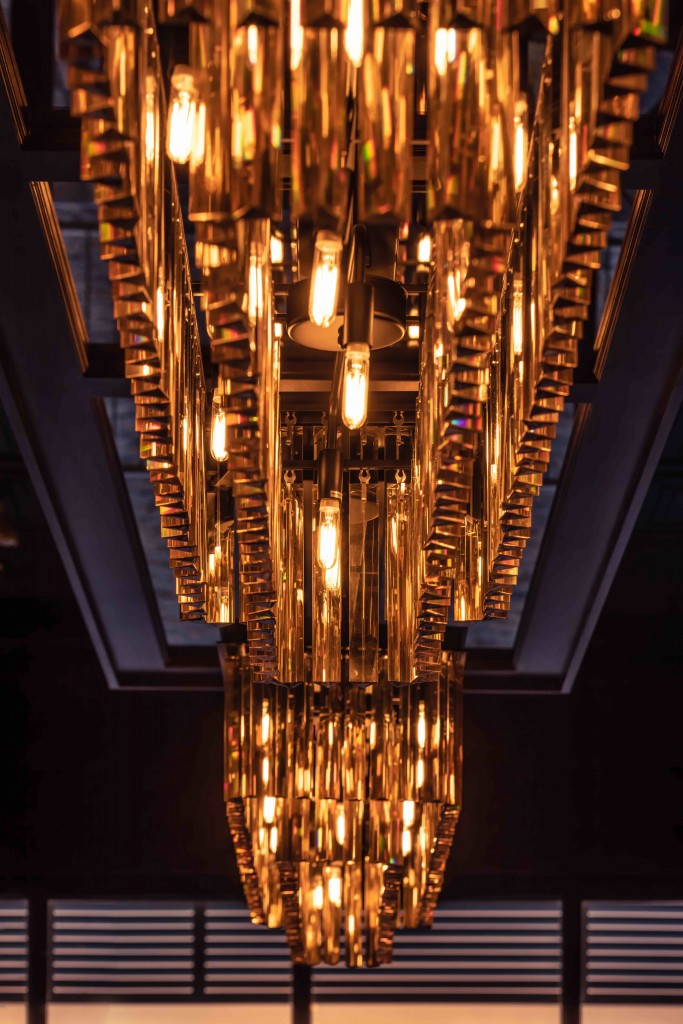
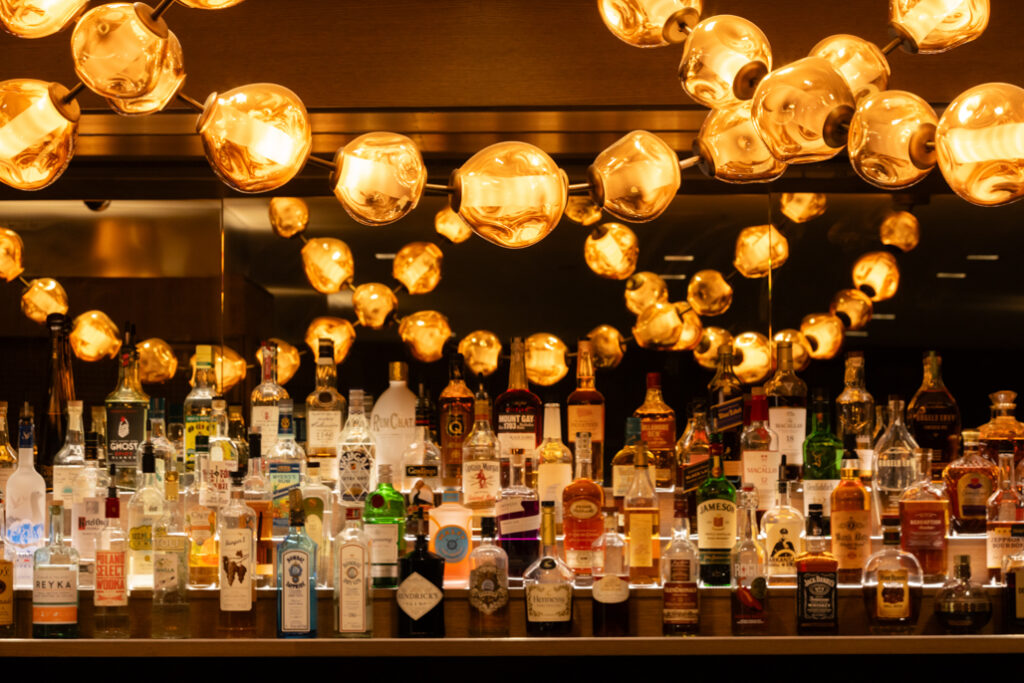
Acts as a focal point, often over tables or bars, adding personality and visual interest

Using Lighting to Guide the Guest Experience

Restaurant lighting design plays a critical role in how guests move through and experience a restaurant. It can be used to:

  • Draw attention to high-impact areas like bars or open kitchens
  • Highlight premium materials or design features
  • Create intimate zones within larger dining rooms
  • Subtly direct focus away from less important areas

In many cases, lighting becomes a strategic tool for prioritizing where investment is most visible and felt by the guest.

chicago hospitality design adalina

Why Balance Is Just as Important as Layering

Layering lighting is only effective when it’s balanced across the space. Common issues arise when:

  • Back bars are illuminated, but bar fronts are left dark
  • Kitchens are too bright compared to the dining room
  • Certain areas are over-accented while others are ignored
  • Guests are seated in poorly lit or uncomfortable zones

A well-designed lighting plan ensures consistency across all areas, including front of house, back of house, vertical surfaces, and seating zones, so the experience feels cohesive.

Lighting Control and Flexibility

Restaurant lighting should not be static. As natural light changes throughout the day and guest expectations shift, lighting needs to adapt.

Key considerations include:

  • Dimmable lighting systems for all customer-facing areas
  • Different lighting levels for brunch, lunch, dinner, and late night
  • Seasonal adjustments based on daylight intensity
  • Integration with window treatments to manage natural light

This level of control allows operators to maintain a consistent ambiance regardless of time or conditions.

How Lighting Impacts Revenue

Lighting doesn’t just influence aesthetics, it affects behavior.

In retail, natural light is known to drive sales. In restaurants, the equivalent is atmosphere:

Well-designed, dramatic lighting encourages guests to stay longer, order more, and perceive greater value.

It’s a subtle but powerful driver of performance that directly impacts the bottom line.

The Cost of Cutting Lighting from the Budget

One of the most common missteps in restaurant development is removing layered lighting during value engineering.

While it may reduce upfront costs, it often results in:

  • A diminished guest experience
  • Reduced perceived quality
  • Lower overall engagement within the space

In hospitality, experience is the product. Cutting lighting compromises that experience in a way that guests immediately feel.

Final Thoughts on Restaurant Lighting Design

Restaurant lighting design is not a finishing touch, it’s a core component of restaurant design strategy.
A layered, balanced, and controllable lighting system:

  • Enhances ambiance

  • Supports the guest journey

  • Highlights design investment

  • And contributes to long-term profitability

For operators looking to elevate their space, restaurant lighting design is one of the most impactful and often underutilized tools available.

Experience Our Hospitality Projects

Adalina Prime Chicago restaurant design

Adalina Prime

The Greggory photo gallery featuring interior images of the South Barrington restaurant

The Greggory

Hotel Julian

Hotel Julian