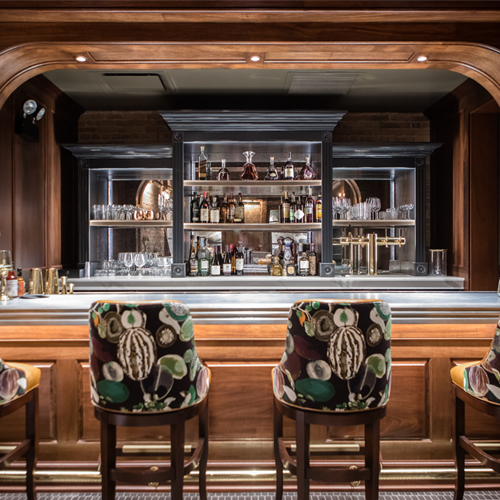
Adalina Prime
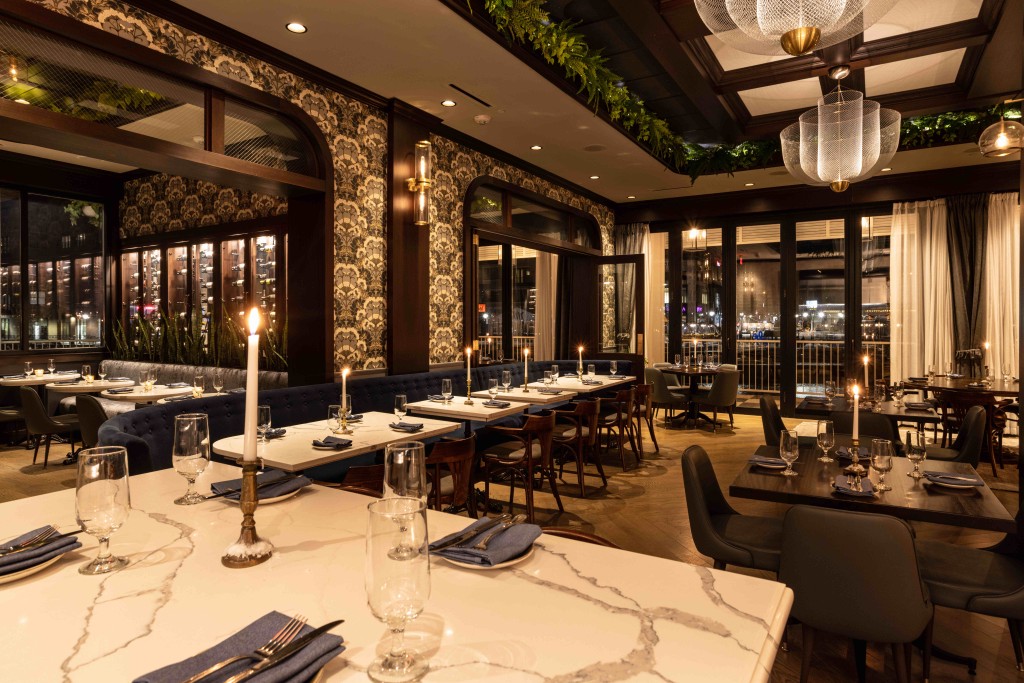
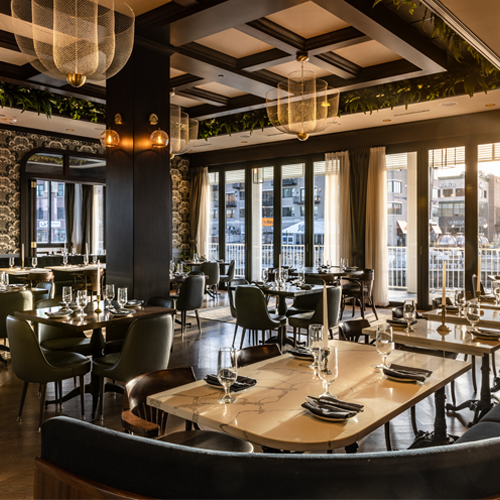
A modern steakhouse in Fulton Market designed to balance refined elegance with vibrant social energy. The space integrates layered lighting, rich materials, and dynamic bar experiences.
Designing a successful restaurant requires more than selecting finishes or arranging tables. A Chicago restaurant designer shapes the entire dining experience from spatial layout and operational flow to lighting, materials, and brand identity.
In a city known for one of the most competitive dining scenes in the country, restaurant design plays a critical role in helping hospitality concepts stand out. Restaurants must deliver memorable experiences while supporting efficient operations behind the scenes.
Dunne Kozlowski is a Chicago-based hospitality design firm specializing in restaurant architecture, interior design, and brand-driven environments. Our team partners with chefs, restaurateurs, and hospitality groups to translate restaurant concepts into physical spaces that drive both guest engagement and operational success.
A restaurant designer in Chicago is responsible for translating a hospitality concept into a fully realized physical environment. This work spans multiple disciplines, including architecture, interior design, branding, and guest experience.
Successful restaurant design balances creativity with practicality, ensuring that spaces not only look compelling but also function efficiently for staff and guests.
Key responsibilities typically include:
Restaurant designers transform the brand story behind a concept into a physical environment. Materials, lighting, layout, and visual moments all work together to communicate a restaurant's identity.
Efficient restaurant operations depend on thoughtful spatial planning. Designers coordinate seating density, kitchen adjacencies, service paths, and circulation to support both staff workflow and guest comfort.
Lighting, acoustics, furniture, finishes, and textures shape a restaurant's emotional tone. These elements help create environments that feel intimate, energetic, relaxed, or dramatic, depending on the concept and the brand.
From the entry sequence to the bar experience and dining room layout, restaurant designers choreograph how guests move through a space and interact with the brand.
In Chicago's hospitality landscape, where diners have endless options, these design decisions often determine whether a restaurant feels memorable or forgettable.
Chicago is one of the most influential culinary cities in the United States. With thousands of restaurants competing for attention, design plays a critical role in defining a restaurant’s identity and long-term success.
Strong restaurant design accomplishes several important goals:
In neighborhoods like Fulton Market, River North, and West Loop, design helps restaurants establish a clear identity and attract guests.
Smart layouts reduce staff friction, improve service speed, and help kitchens operate efficiently during peak hours.
Restaurant environments reinforce the concept’s narrative, whether it’s a modern steakhouse, neighborhood trattoria, or contemporary cocktail bar.
The most successful restaurants create environments that guests want to return to and share with others.
Great restaurant design is not simply decorative. It is a strategic tool that supports hospitality brands both operationally and emotionally.
Hospitality projects often involve both architects and designers, but their roles can vary.
A restaurant architect focuses primarily on building systems, structural elements, permitting, and code compliance.
Interior designers focus on finishes, lighting, furniture, and the overall aesthetic atmosphere.
A restaurant designer integrates architecture, interiors, and brand experience into a unified environment. An integrated, single resource to help bring your restaurant concept to life without the headaches.
Dunne Kozlowski combines these disciplines to create cohesive restaurant experiences from concept through completion.

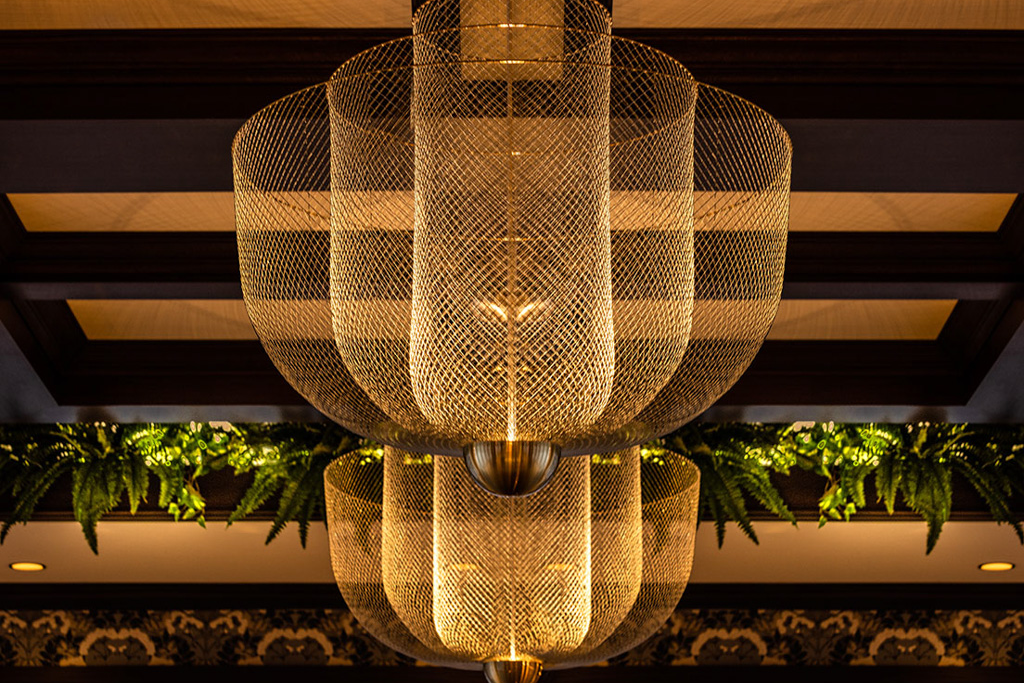
Restaurant lighting is vital for the atmosphere, influencing customer perception and accentuating dishes, transforming spaces into cozy, inviting environments for enhanced dining experiences.

Designing and procuring customer light fixtures elevates the decor, thereby shaping the overall dining experience and patron perception.
Lighting in a restaurant isn't just about visibility; it sets the mood, highlights the cuisine, and creates an ambiance that can turn a simple meal into a memorable experience.
Selecting the right design partner can significantly impact the success of a restaurant concept. Operators should look for firms with hospitality-specific expertise and a collaborative design process.
Important factors to consider include:
Restaurant design requires specialized experience. Designers must understand guest psychology, service flow, kitchen operations, and hospitality branding.
Local building codes, permitting processes, and zoning considerations can influence restaurant design decisions.
Strong designers help shape a concept, not just execute drawings. They translate brand ideas into spatial experiences.
Restaurant design requires close coordination with chefs, operators, contractors, and consultants. Clear communication and teamwork are essential.
Working with a Chicago restaurant designer who understands both the creative and operational sides of hospitality can dramatically improve a project's outcome.
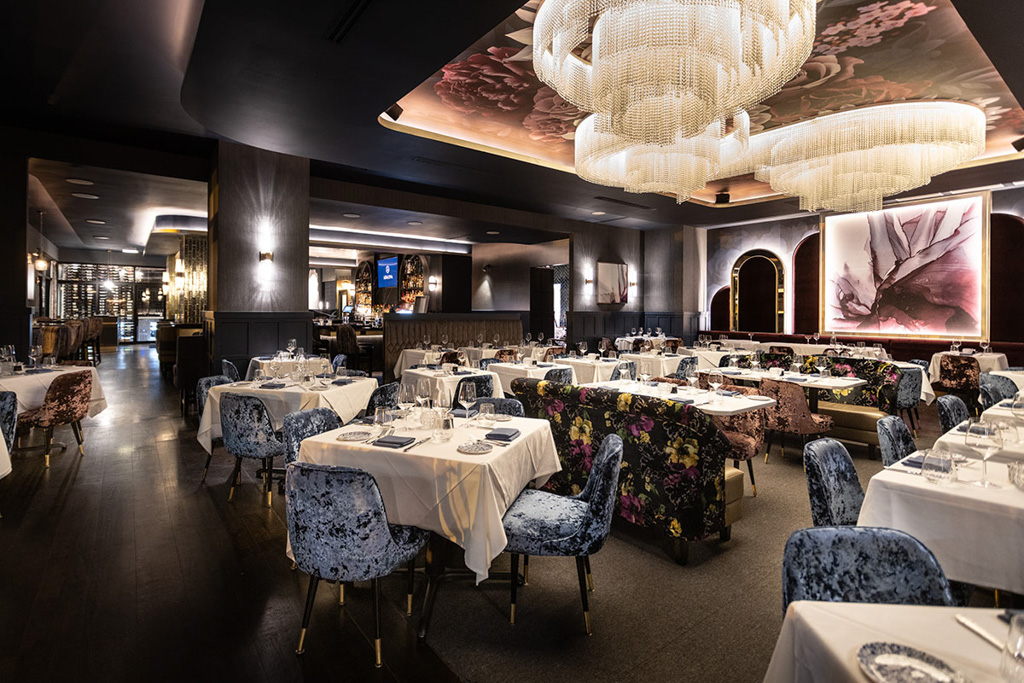
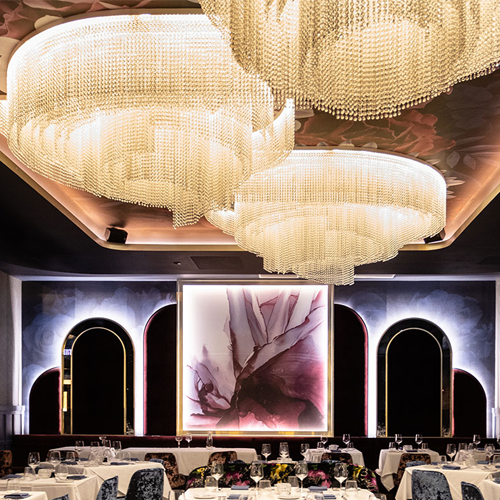
A modern steakhouse in Fulton Market designed to balance refined elegance with vibrant social energy. The space integrates layered lighting, rich materials, and dynamic bar experiences.
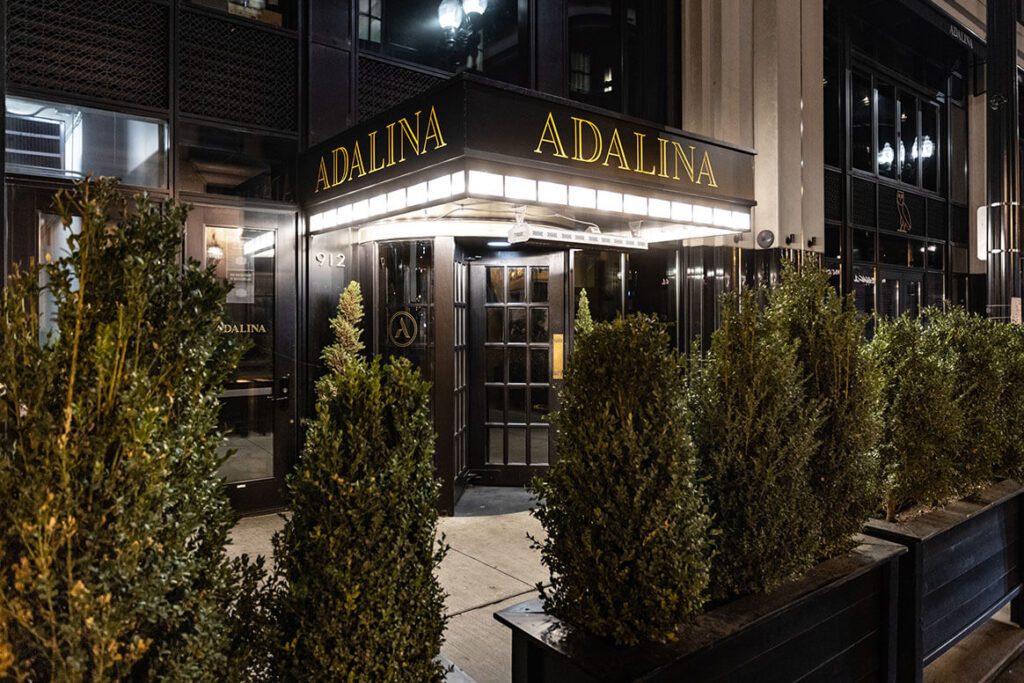
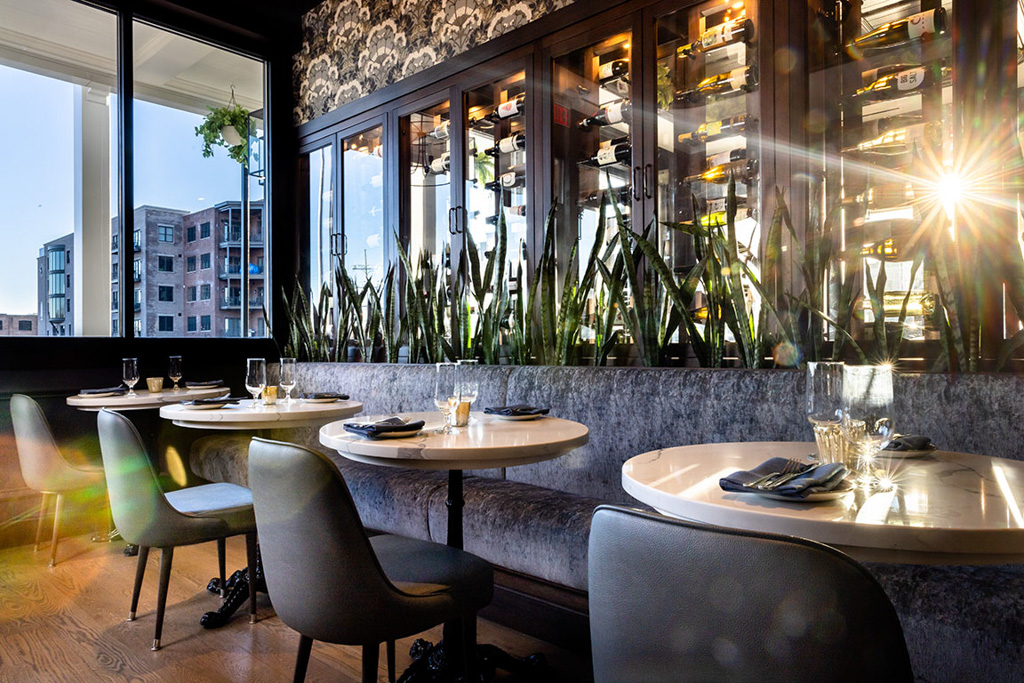
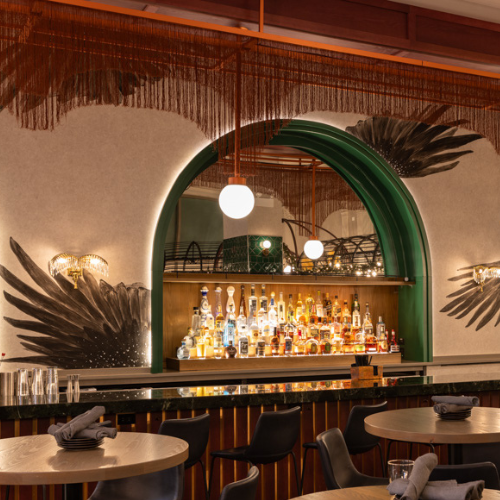
Located in the heart of Chicago’s Gold Coast, Adalina has a timeless yet alluring setting. The interior is decorated with modern and classic elements, and the atmosphere is sophisticated and inviting.
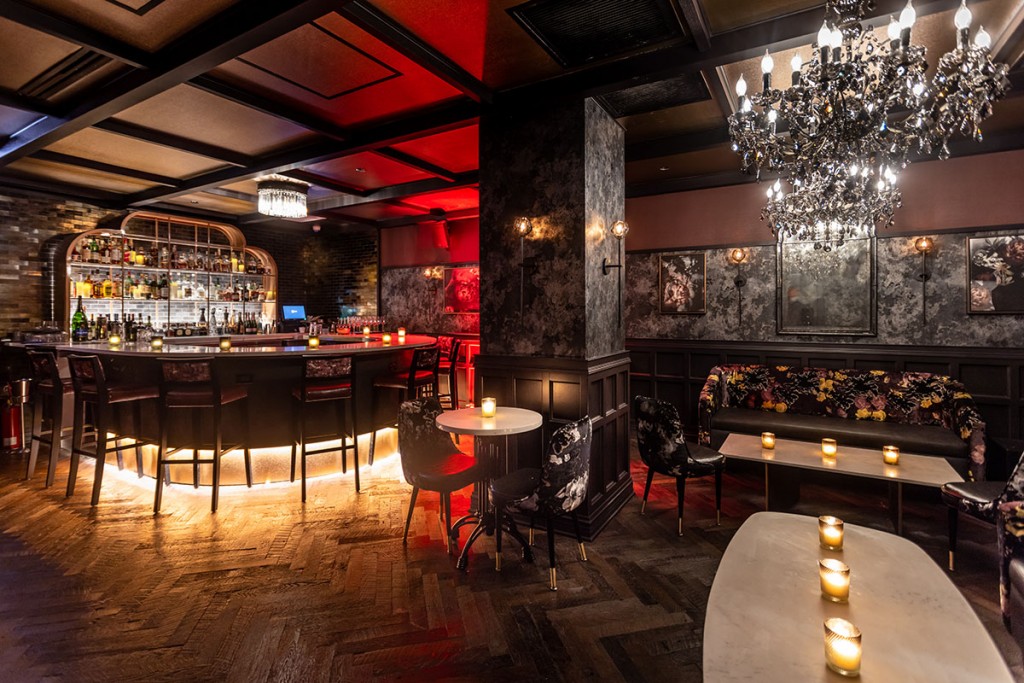
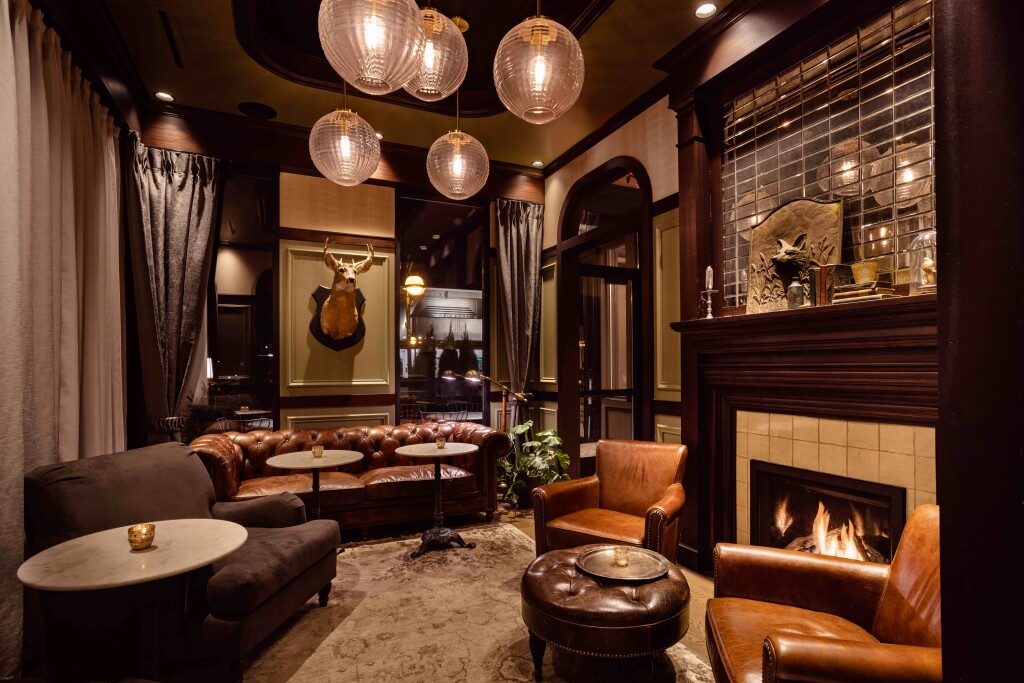
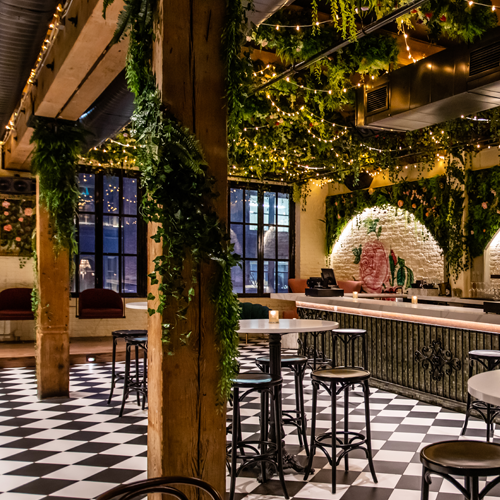
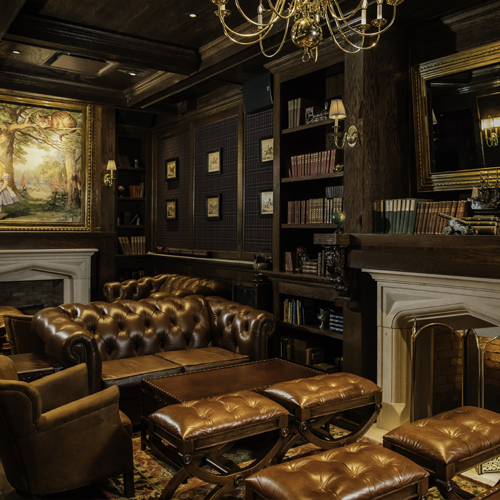
An intimate cocktail and dining environment designed to emphasize mood, texture, and immersive atmosphere in Chicago’s historic Italian Village.
The Graceful Ordinary in downtown St. Charles is an award-winning restaurant that serves as a communal meeting spot. It offers various unique dining experiences, including intimate lounge settings, energetic dining rooms, and seamless indoor-outdoor dining.
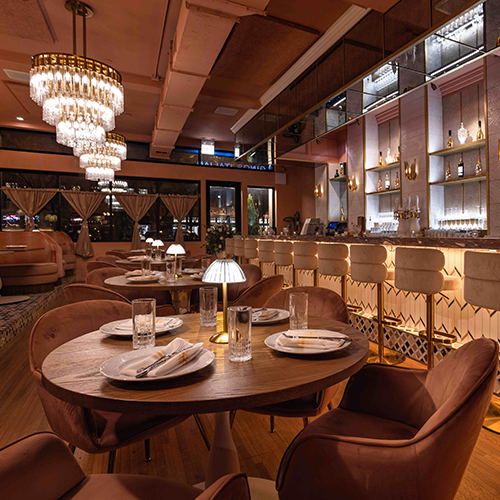
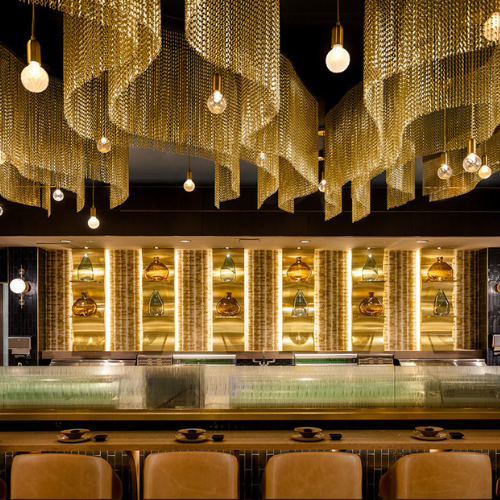
The Greggory, South Barrington’s newest dining hotspot, where sophisticated design meets wood-fired cuisine. Explore the warm, inviting interiors, open-hearth kitchen, serpentine bar, and signature dishes that make The Greggory one of the Best Steak Restaurants in North America.


What's Your Vision? Contact Us Today!
Designing a successful restaurant requires a structured process that moves from concept development through construction.
When working with us as a Chicago restaurant designer, our hospitality design process typically includes:
Understanding the restaurant’s story, audience, culinary vision, and brand positioning.
Developing layouts that support both guest experience and operational flow.
Refining materials, lighting, furniture, and architectural elements that define the space.
Producing drawings and technical details required for permitting and construction.
Collaborating with contractors, consultants, and operators to bring the design to life.
This integrated process ensures that restaurant environments remain aligned with the original vision from concept to completion.
A restaurant designer plans the architecture, layout, interior design, and brand experience of a restaurant to create an environment that supports both guest experience and operational efficiency.
Chicago restaurant designer costs vary depending on the size, complexity, and level of customization. Many projects allocate 8–15% of the total project budget to architecture and design services.
Ideally, designers should be involved early in the concept stage. Early collaboration helps align layout, kitchen planning, branding, and guest experience.
Not many hospitality design firms integrate branding with architecture and interiors. Combining these services ensures the restaurant’s concept is expressed consistently throughout the space.
It depends on the scope, but the design process typically takes several months, depending on project scope, permitting timelines, and construction schedules.